
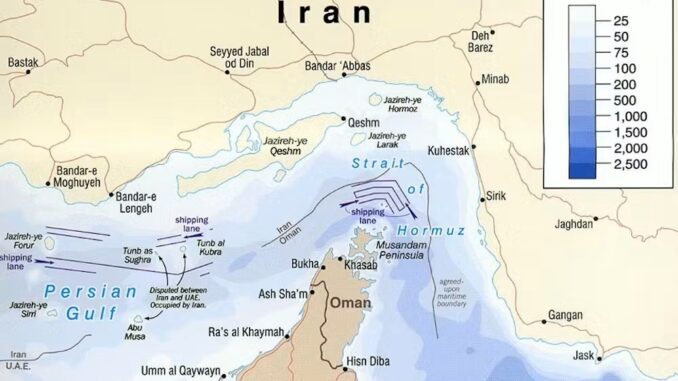
Iran dikabarkan tutup Selat Hormuz setelah konflik dengan AS dan Israel. Jalur yang dilalui 20 persen minyak dunia ini berpotensi memicu lonjakan harga energi global.
JOSS.CO.ID – Ketegangan geopolitik di Timur Tengah memicu kekhawatiran besar setelah Iran dikabarkan tutup Selat Hormuz, salah satu jalur pelayaran energi paling penting di dunia. Penutupan jalur strategis ini berpotensi mengguncang pasokan minyak global dan memicu lonjakan harga energi internasional.
Iran’s closure of the Strait of Hormuz has sparked global concern, as more than 20% of the world’s oil supply passes through this route. If a disruption occurs, the impact could be felt in many countries. Japan has oil reserves of up to 254 days, Australia around 36 days, India 40–45 days, and India is estimated to have only around 20 days.
Selat Hormuz selama ini menjadi jalur utama pengiriman minyak dari negara-negara Teluk menuju pasar global. Setiap hari sekitar 20 juta barel minyak melewati jalur sempit tersebut, menjadikannya titik kritis dalam perdagangan energi dunia.
Konflik Militer Memicu Ketegangan di Jalur Laut
Situasi semakin memanas setelah laporan tenggelamnya beberapa kapal perang Iran akibat serangan rudal Amerika Serikat di Teluk Oman. Peristiwa ini menunjukkan bahwa konflik yang bermula di daratan kini meluas ke wilayah laut strategis.
The reported sinking of several Iranian warships by US missiles in the Gulf of Oman serves as a reminder of the maritime aspect of the conflict which began February 28 with a barrage of Israeli and American missiles targeting Iran. Two other vessels, believed to be tankers, have also been reported as having been hit by missiles, of an as yet undetermined source, in the vicinity of the strait of Hormuz, underlining the importance of this vital shipping lane – which is likely to play an key part in all sides’ calculations.
Sejumlah kapal tanker juga dilaporkan terkena serangan rudal di sekitar Selat Hormuz, meskipun sumber serangan tersebut belum dipastikan. Insiden ini semakin menegaskan betapa pentingnya jalur pelayaran tersebut bagi stabilitas energi dunia.
Full details have yet to emerge of the incidents. But there are already signs that the strait will become a major focus of concern because of the huge implications should the conflict disrupt maritime traffic through this the narrow outlet of the Persian Gulf. Ships crossing the strait of Hormuz carry around one-fifth of global oil supplies. That’s about 20 million barrels per day. This makes the strait the most critical energy chokepoint.
Jalur Energi Paling Vital di Dunia
Selat Hormuz dikenal sebagai salah satu chokepoint perdagangan global, yaitu jalur sempit yang menjadi penentu kelancaran distribusi energi dunia. Gangguan kecil saja dapat langsung berdampak pada pasar global.
There are a small number of strategic passageways, or chokepoints on which global trade depends and which are vulnerable to disruption. Any disruption reverberates instantly through global markets and supply chains. With conflict raging in Iran and attacks across the Middle East, traders, governments and businesses will be watching oil prices closely as the markets open.
Ketegangan meningkat setelah serangan militer Israel dan Amerika Serikat terhadap Iran pada 28 Februari memicu balasan dari Teheran di berbagai wilayah Timur Tengah.
After Israel and the US launched attacks on Iran on February 28, prompting retaliatory strikes across the region from Iran, Tehran broadcast to vessels in the region claiming that the strait of Hormuz was closed.
Meskipun jalur pelayaran di selat tersebut hanya sekitar dua mil, tutup Selat Hormuz secara fisik tidaklah mudah, namun Iran masih memiliki beberapa opsi untuk mengganggu lalu lintas kapal.
Although the shipping lanes are only about two miles wide, actually physically closing them would be difficult to achieve. The most decisive action Tehran could take would be to mine the shipping lanes. With the large US naval presence in the area, this would be very difficult for Iran to achieve.
Ancaman keamanan saja sudah cukup membuat kapal-kapal memilih menghindari wilayah tersebut.
But a formal blockade is not necessary to stop traffic. When perceived threat levels rise, ships stay away. Big shipping companies such as Hapag Lloyd and CMA CGA have already suspended transit through the strait and advised their ships to proceed to shelter.
Aktivitas Kapal Mulai Menurun
Data pelacakan kapal menunjukkan pergerakan kapal di Selat Hormuz mulai berkurang karena meningkatnya risiko konflik.
Vessel tracking already shows reduced movements in the strait of Hormuz. Ships are waiting to enter or exit the Persian Gulf or diverting away from the region. An advisory from the United Kingdom Maritime Trade Operations (UKMTO) Centre has warned of the “increased risk of miscalculation or misidentification, particularly in proximity to military units”.
Beberapa pelabuhan bahkan menghentikan operasi sementara setelah serpihan rudal memicu kebakaran di Pelabuhan Jebel Ali di Dubai.
Several ports have suspended operations after debris from an intercepted missile sparked a fire at Dubai’s Jebel Ali Port. While other ports continue to operate, the risk and uncertainty are disrupting shipping in the region.
Ancaman Besar bagi Ekonomi Dunia
Gangguan di Selat Hormuz tidak hanya mempengaruhi minyak dan gas. Jalur ini juga dilalui sekitar sepertiga perdagangan pupuk dunia yang penting bagi sektor pertanian global.
Hormuz is dominated by oil tankers and liquid natural gas carriers, so disruption directly hits global energy supplies. In addition, a lesser-known dependency is that one-third of the world’s fertiliser trade passes through the strait. Both energy and agricultural supply chains have already been destabilised by the Ukraine war. Further price rises could have far-reaching consequences.
Negara-negara Asia seperti China, India, Jepang, dan Korea Selatan menjadi tujuan utama minyak yang melewati Selat Hormuz.
The main destinations for oil and gas flowing through Hormuz are China, India, Japan, and South Korea. India, which imports about half of its crude oil through the strait, has activated contingency plans to safeguard energy supplies.
Jika ketegangan terus berlanjut, harga minyak dunia diperkirakan dapat melonjak hingga 100 dolar AS per barel.
Oil and gas are traded globally. So even countries whose energy needs are not met by imports from the Persian Gulf will be affected by price increases. Oil prices are expected to increase to up to US$100 (£74) per barrel when markets open on Monday. Opec has agreed to modestly boost oil output in a bid to stabilise markets. But the group of oil producing countries has limited options as key members are affected by the fallout of the attacks on Iran.
Risiko Eskalasi Konflik Global
Ketidakstabilan di Selat Hormuz berpotensi memicu krisis ekonomi global jika konflik terus meningkat.
There is still a potential for a catastrophic escalation in the strait of Hormuz. The sinking of a tanker would have dramatic consequences for the environment and would likely halt navigation for an extended period of time.
But prolonged instability may also prove destructive for the global economy. Previously, Iran closing the strait was seen as unlikely considering the global backlash and economic harm to Iran itself. But with regime change now the stated goal of the US-Israeli attacks, the cost of holding the world economy hostage might seem justified to the rulers in Tehran.
Leave a Reply